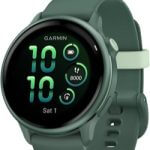
 We do track everything—from finances to productivity. But one of the most powerful areas to monitor is your own body. Tracking health metrics such as sleep quality, heart rate, daily steps, and stress levels can provide valuable insights that help you live a longer, healthier, and more energized life.
With the rise of wearable fitness devices and health apps, monitoring personal health data has never been easier. But beyond the technology trend, there are real, science-backed reasons why tracking your health metrics matters.
Let’s explore why.
1. You Gain Awareness of Your Body
You can’t improve what you don’t measure.
Many people assume they sleep “fine” or manage stress “well”—until the data says otherwise. Sleep monitoring, for example, often reveals interrupted sleep cycles, insufficient deep sleep, or inconsistent bedtimes. Heart rate tracking can show how your body responds to stress, exercise, caffeine, or even emotional events.
This awareness is powerful. Instead of guessing how you feel, you begin making decisions based on real information.
2. Sleep Tracking Improves Energy and Mental Clarity
Sleep is one of the most overlooked pillars of health. Poor sleep impacts mood, memory, productivity, and immune function. By tracking sleep metrics—such as duration, REM cycles, deep sleep, and wake times—you can identify patterns that affect your performance.
For example:
- Going to bed at inconsistent times may reduce sleep quality.
- Late-night screen time may delay deep sleep.
- Alcohol may disrupt REM cycles.
When you track sleep regularly, you start connecting behaviors with outcomes. Over time, small adjustments can significantly boost energy levels, focus, and overall mental clarity.
3. Heart Rate Monitoring Reveals Fitness and Stress Levels
Your heart rate tells a powerful story about your health.
Resting heart rate (RHR) is one of the simplest indicators of cardiovascular fitness. A lower resting heart rate often reflects better heart efficiency and endurance. Monitoring changes over time can help you gauge improvements from exercise or detect early signs of fatigue or illness.
Heart rate variability (HRV), another important metric, measures the variation between heartbeats. Higher HRV is generally associated with better recovery and stress resilience, while lower HRV may indicate overtraining, stress, or insufficient sleep.
Tracking these numbers helps you:
- Optimize workout intensity
- Avoid burnout
- Recognize when your body needs rest
Instead of pushing blindly through exhaustion, you can train smarter and recover better.
4. Data Encourages Accountability and Consistency
Numbers don’t lie—and they keep you accountable.
When you set a goal to walk 8,000 steps per day or sleep 7–8 hours per night, tracking ensures you stay honest with yourself. Seeing your progress builds motivation. Watching improvements over weeks and months reinforces positive habits.
Consistency is the secret to long-term health. Health tracking turns abstract goals into measurable achievements.
5. Early Detection of Potential Health Issues
One of the biggest advantages of tracking health data is early warning signs.
Sudden increases in resting heart rate, reduced sleep quality, or prolonged fatigue can signal:
- Illness
- Overtraining
- Chronic stress
- Hormonal imbalances
While wearable devices are not medical diagnostic tools, they can alert you when something feels “off.” That awareness may prompt earlier lifestyle adjustments—or even a conversation with a healthcare professional.
Prevention is always more powerful than reaction.
6. You Learn What Truly Works for You
Health advice is everywhere. But not all strategies work for everyone.
Tracking your metrics allows you to experiment and evaluate results objectively. For example:
- Does meditation improve your HRV?
- Does strength training lower your resting heart rate?
- Does cutting caffeine improve deep sleep?
Personal health data turns your life into a real-time experiment—one where you can tailor routines based on evidence instead of trends.
7. It Strengthens Mind-Body Connection
Many people live disconnected from their bodies, ignoring subtle signals like fatigue, stress, or dehydration. Tracking metrics builds awareness and sensitivity to physical cues.
When you notice how stress spikes your heart rate or how late nights reduce recovery, you become more attuned to your body’s needs. This strengthens your mind-body connection and encourages intentional living.
8. Supports Long-Term Health and Longevity
Chronic diseases often develop silently over time. While health metrics tracking alone won’t prevent disease, it promotes behaviors that reduce risk—like consistent exercise, quality sleep, and stress management.
Over months and years, small improvements compound. A lower resting heart rate, better sleep cycles, and steady physical activity can contribute to improved cardiovascular health, metabolic function, and emotional resilience.
Longevity isn’t about dramatic changes—it’s about consistent, measurable habits.
9. It Makes Health Goals Tangible
“Get healthier” is vague.
“Improve resting heart rate by 5 beats per minute” is specific.
Tracking transforms general intentions into measurable targets. Whether your goal is weight loss, improved endurance, better sleep, or reduced stress, data provides clarity.
Clarity creates direction. Direction creates progress.
10. Technology Makes It Easier Than Ever
Wearable fitness devices and smartphone apps have simplified health tracking. From smartwatches to sleep rings and fitness bands, tools now provide real-time data with minimal effort.
The key is not to obsess over every number—but to use data as a guide. Metrics should empower you, not overwhelm you.
How to Track Health Metrics Effectively
If you’re new to tracking, keep it simple:
- Start with 2–3 key metrics (sleep duration, resting heart rate, steps).
- Focus on trends over time—not daily fluctuations.
- Use data to adjust habits gradually.
- Avoid perfectionism; aim for progress.
Remember, tracking is a tool—not a judgment system.
Our Final Thoughts
Tracking health metrics like sleep and heart rate is more than a trend—it’s a powerful strategy for understanding your body and improving your well-being.
When you measure what matters, you gain insight.
When you gain insight, you make better decisions.
And better decisions lead to better health.
The goal isn’t to become obsessed with numbers—it’s to become informed, empowered, and proactive about your health.
Your body constantly sends signals. Tracking health simply helps you listen.