Health And Fitness

Why Tracking Health Metrics Like Sleep and Heart Rate Can Transform Your Well-Being

We do track everything—from finances to productivity. But one of the most powerful areas to monitor is your own body. Tracking health metrics such as sleep quality, heart rate, daily steps, and stress levels can provide valuable insights that help you live a longer, healthier, and more energized life.

With the rise of wearable fitness devices and health apps, monitoring personal health data has never been easier. But beyond the technology trend, there are real, science-backed reasons why tracking your health metrics matters.

Let’s explore why.

1. You Gain Awareness of Your Body

You can’t improve what you don’t measure.

Many people assume they sleep “fine” or manage stress “well”—until the data says otherwise. Sleep monitoring, for example, often reveals interrupted sleep cycles, insufficient deep sleep, or inconsistent bedtimes. Heart rate tracking can show how your body responds to stress, exercise, caffeine, or even emotional events.

This awareness is powerful. Instead of guessing how you feel, you begin making decisions based on real information.

2. Sleep Tracking Improves Energy and Mental Clarity

Sleep is one of the most overlooked pillars of health. Poor sleep impacts mood, memory, productivity, and immune function. By tracking sleep metrics—such as duration, REM cycles, deep sleep, and wake times—you can identify patterns that affect your performance.

For example:

  • Going to bed at inconsistent times may reduce sleep quality.
  • Late-night screen time may delay deep sleep.
  • Alcohol may disrupt REM cycles.

When you track sleep regularly, you start connecting behaviors with outcomes. Over time, small adjustments can significantly boost energy levels, focus, and overall mental clarity.

3. Heart Rate Monitoring Reveals Fitness and Stress Levels

Your heart rate tells a powerful story about your health.

Resting heart rate (RHR) is one of the simplest indicators of cardiovascular fitness. A lower resting heart rate often reflects better heart efficiency and endurance. Monitoring changes over time can help you gauge improvements from exercise or detect early signs of fatigue or illness.

Heart rate variability (HRV), another important metric, measures the variation between heartbeats. Higher HRV is generally associated with better recovery and stress resilience, while lower HRV may indicate overtraining, stress, or insufficient sleep.

Tracking these numbers helps you:

  • Optimize workout intensity
  • Avoid burnout
  • Recognize when your body needs rest

Instead of pushing blindly through exhaustion, you can train smarter and recover better.

4. Data Encourages Accountability and Consistency

Numbers don’t lie—and they keep you accountable.

When you set a goal to walk 8,000 steps per day or sleep 7–8 hours per night, tracking ensures you stay honest with yourself. Seeing your progress builds motivation. Watching improvements over weeks and months reinforces positive habits.

Consistency is the secret to long-term health. Health tracking turns abstract goals into measurable achievements.

5. Early Detection of Potential Health Issues

One of the biggest advantages of tracking health data is early warning signs.

Sudden increases in resting heart rate, reduced sleep quality, or prolonged fatigue can signal:

  • Illness
  • Overtraining
  • Chronic stress
  • Hormonal imbalances

While wearable devices are not medical diagnostic tools, they can alert you when something feels “off.” That awareness may prompt earlier lifestyle adjustments—or even a conversation with a healthcare professional.

Prevention is always more powerful than reaction.

6. You Learn What Truly Works for You

Health advice is everywhere. But not all strategies work for everyone.

Tracking your metrics allows you to experiment and evaluate results objectively. For example:

  • Does meditation improve your HRV?
  • Does strength training lower your resting heart rate?
  • Does cutting caffeine improve deep sleep?

Personal health data turns your life into a real-time experiment—one where you can tailor routines based on evidence instead of trends.

7. It Strengthens Mind-Body Connection

Many people live disconnected from their bodies, ignoring subtle signals like fatigue, stress, or dehydration. Tracking metrics builds awareness and sensitivity to physical cues.

When you notice how stress spikes your heart rate or how late nights reduce recovery, you become more attuned to your body’s needs. This strengthens your mind-body connection and encourages intentional living.

8. Supports Long-Term Health and Longevity

Chronic diseases often develop silently over time. While health metrics tracking alone won’t prevent disease, it promotes behaviors that reduce risk—like consistent exercise, quality sleep, and stress management.

Over months and years, small improvements compound. A lower resting heart rate, better sleep cycles, and steady physical activity can contribute to improved cardiovascular health, metabolic function, and emotional resilience.

Longevity isn’t about dramatic changes—it’s about consistent, measurable habits.

9. It Makes Health Goals Tangible

“Get healthier” is vague.
“Improve resting heart rate by 5 beats per minute” is specific.

Tracking transforms general intentions into measurable targets. Whether your goal is weight loss, improved endurance, better sleep, or reduced stress, data provides clarity.

Clarity creates direction. Direction creates progress.

10. Technology Makes It Easier Than Ever

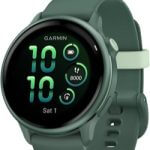
Wearable fitness devices and smartphone apps have simplified health tracking. From smartwatches to sleep rings and fitness bands, tools now provide real-time data with minimal effort.

The key is not to obsess over every number—but to use data as a guide. Metrics should empower you, not overwhelm you.

How to Track Health Metrics Effectively

If you’re new to tracking, keep it simple:

  1. Start with 2–3 key metrics (sleep duration, resting heart rate, steps).
  2. Focus on trends over time—not daily fluctuations.
  3. Use data to adjust habits gradually.
  4. Avoid perfectionism; aim for progress.

Remember, tracking is a tool—not a judgment system.

Our Final Thoughts

Tracking health metrics like sleep and heart rate is more than a trend—it’s a powerful strategy for understanding your body and improving your well-being.

When you measure what matters, you gain insight.
When you gain insight, you make better decisions.
And better decisions lead to better health.

The goal isn’t to become obsessed with numbers—it’s to become informed, empowered, and proactive about your health.

Your body constantly sends signals. Tracking health simply helps you listen.


Share and Enjoy !

The Truth About Testosterone Loss

Testosterone LossTestosterone loss and how to fix it. Have you noticed the mornings feel quieter lately — no impatient sunlight tugging you awake, no restless engine purring under your skin, just an empty stillness where drive used to live? That hush can be unnerving, especially when you remember how it felt to spring out of bed, lungs full of cold air, mind already sprinting toward possibility. Back then every elevator mirror confirmed the same unspoken truth: You were built for movement, mischief, and momentum. Somewhere between then and now, however, energy leaked away, ambitions grew heavy, and desire slipped from a roar to a reluctant whisper. You might blame stressful deadlines or the extra candles on the birthday cake, yet a deeper current is pulling the strings—one that robs time, steals freedom, and erodes relationships without ever asking permission.

The quiet thief is falling testosterone, and its heist is subtle. It starts by picking the lock on your motivation, pocketing those impulsive after-work workouts, then snatching the spark that once electrified conversation. Statistically, testosterone drifts downward by roughly one percent each year after age thirty, and by age forty-five, nearly two in five men qualify as clinically low. That status isn’t just a lab number — it’s the difference between locking eyes across a room with unwavering certainty and glancing away because something in you hesitates. It’s the fork in the road where afternoon fog replaces razor-sharp focus, where weekend adventures give way to couch-bound negotiations with exhaustion. The price tag is measured in opportunities missed, promotions unclaimed, evenings cut short, and laughter that never quite reaches the eyes.

Think of the milestones that felt inevitable a decade ago: the marathon finish, the business you sketched on napkins, the spontaneous trip promised to someone you loved. They orbit your memory like satellites — close enough to see, too distant to touch — because hormonal slipstream dragged you off course. You may have adapted, convincing yourself that comfort matters more than conquest, but a restless part of you still whispers about that original trajectory. It’s the same part that notices your reflection in shop windows and wonders when your posture began surrendering inches to gravity, or why the smile lines around your mouth suddenly look like questions.

None of this is a moral failing; it is biology’s countdown clock. Testosterone fuels muscle protein synthesis, red-blood-cell production, dopamine release, and the dopamine-linked confidence that used to make decisions feel effortless. Stress hormones, processed foods, and screens glowing past midnight accelerate the slide, and modern sleep patterns may be the cruelest accomplice. Research shows that limiting yourself to five hours of sleep for a single week can slash testosterone by ten to fifteen percent, roughly the same impact as aging an entire decade. Imagine losing ten years of hormonal vitality before next Monday’s calendar invite even pops up.

Yet decline is not destiny. Simple levers still move big gears. Eight hours of true darkness restore nightly pulses of luteinizing hormone—the spark that orders your body to forge testosterone at dawn. Compound lifts coax the endocrine system to respond with surges of anabolic power. Whole-food fats (think avocado, extra-virgin olive oil, wild-caught salmon) supply the cholesterol backbone every steroid hormone is built from, while micronutrients like zinc and vitamin D act as molecular foremen overseeing production. Even managing stress through slow nasal breathing can nudge cortisol down, clearing the hormonal runway for take-off. Small choices, stacked day after day, become the scaffolding on which a rebuilt identity stands.

Action begins with awareness: schedule a morning blood test, not to chase a vanity number but to translate vague fatigue into concrete data. If results confirm deficiency, professional guidance matters — whether that’s targeted lifestyle design, evidence-based supplementation, or physician-supervised therapy. What counts is reclaiming authorship of your story. Picture evening headlights carving the road ahead while your pulse hums with steady purpose; picture conversations that sparkle because focus is sharp, memory reliable, humor effortless; picture the subtle shift in body language that happens when strength training tightens the frame and elevated testosterone fills the space between every vertebrae.

Those images aren’t nostalgia; they’re previews. Somewhere, packed away in muscle memory, is the posture you adopted after crushing a personal record, the deep laugh that echoed when curiosity trumped fatigue, the confident stride that announced your arrival before a single word escaped your lips. They are waiting behind a door you have every right to unlock. And here’s the open loop your future self refuses to close: once that door swings wide, what new possibilities rush in? Another language learned, a second career launched, a relationship rekindled, a child who marvels at the parent who still climbs trees instead of telling stories about the days when they used to?

The blueprint exists — refined in clinical research, engineered for men who refuse to trade their prime for a rocking chair. We spent years translating that science into a streamlined protocol that fits real schedules, demands real accountability, and resurrects real testosterone from the inside out. No miracle powders, no empty promises — just a system that aligns physiology with purpose until missing pieces snap back into place. Everything you’ve been searching for lives on the other side of that protocol.

So the question lingers like sunrise spilling across a quiet room: Will you let another season slip by, or will you reclaim the intensity that once defined you? The thief has had free rein long enough. Take back your mornings, your momentum, your magnetic presence. Discover how high vitality feels when chemistry, mindset, and action finally run in the same direction. Step toward the threshold — because the life you were meant to lead is still right there, knocking, waiting for the unmistakable strength of your answer.

Click here to learn how to prevent testosterone loss

Share and Enjoy !