The Effects of Prostate Blockage And What You Can Do About It
 The effects of prostate blockage is one of the most common yet least openly discussed men’s health issues, especially after the age of 40. While it often starts with minor urinary discomfort, the long-term effects of prostate blockage can quietly escalate into serious health complications if left unaddressed.
The good news? Early awareness and proactive support, both medical and lifestyle-based, can make a significant difference.
What Is Prostate Blockage?
Prostate blockage occurs when the prostate gland enlarges or becomes inflamed, narrowing the urethra and restricting urine flow. This obstruction interferes with normal bladder emptying and places increasing strain on the urinary system.
The most common cause is benign prostatic hyperplasia (BPH), a non-cancerous enlargement linked to hormonal changes in aging men. Other contributing factors may include inflammation, infection, or long-term prostate stress.
Important: Prostate blockage is common, but it is not something you should simply “live with.”
Early Warning Signs You Shouldn’t Ignore
Many men ignore early symptoms because they develop gradually. However, these warning signs often signal underlying prostate stress:
Weak or interrupted urine stream
Difficulty starting urination
Frequent nighttime urination
Incomplete bladder emptying
Post-urination dribbling
These symptoms and effects of prostate blockage don’t just affect comfort. They signal that your urinary system is under pressure.
This is often the stage where natural prostate support options can help slow progression when combined with medical guidance.
How Prostate Blockage Affects the Bladder
When urine flow is restricted, the bladder must work harder to compensate. Over time, this can lead to:
Bladder wall thickening
Reduced bladder elasticity
Increased risk of urinary tract infections
Bladder stones from retained urine
Many men don’t realize that bladder damage can become permanent if prostate blockage continues unchecked.
The Hidden Risk: Kidney Damage
One of the most serious effects of untreated prostate blockage is its impact on kidney health. When urine backs up due to obstruction, pressure can extend upward into the kidneys—a condition called hydronephrosis.
This may lead to:
Reduced kidney function
Chronic kidney disease
Increased infection risk
This is why early action is critical, not just for comfort, but for long-term organ health.
Sexual Health and Confidence Are Often Affected
Prostate blockage doesn’t only affect urination. Many men experience secondary effects such as:
Erectile difficulties
Reduced libido
Painful ejaculation
Anxiety around intimacy
Sleep disruption from frequent nighttime urination also contributes to fatigue, irritability, and reduced confidence, creating a cycle that affects overall quality of life.
Why Many Men Delay Treatment (And Why That’s a Mistake)
Men often delay addressing prostate symptoms because:
They assume it’s “normal aging”
They want to avoid medication or surgery
They feel embarrassed discussing symptoms
Unfortunately, delayed action often leads to more invasive interventions later.
Early-stage prostate support through diet, lifestyle changes, and clinically backed supplements may help manage symptoms and support prostate health naturally.
Supporting Prostate Health Naturally
While medical evaluation is essential, many men choose to support prostate health naturally as part of a proactive strategy.
Common evidence-backed ingredients found in quality prostate supplements include:
Saw Palmetto
Beta-Sitosterol
Zinc
Pygeum
Pumpkin Seed Extract
These ingredients are often used to:
Support healthy urine flow
Reduce nighttime urination
Promote prostate comfort
Support hormonal balance
This is where a trusted, well-reviewed prostate health supplement can fit into a daily routine, especially for men experiencing early or moderate symptoms.
Medical Treatment Still Matters
Natural support is not a replacement for medical care. Doctors may recommend:
Prescription medications
Minimally invasive procedures
Surgical intervention in severe cases
The most effective approach often combines medical oversight with lifestyle and nutritional support.
When You Should Act Immediately
Seek professional advice if you experience:
Sudden inability to urinate
Severe pain
Blood in urine
Frequent infections
Early evaluation can prevent permanent damage and reduce the need for aggressive treatment later.
Final Thoughts: Prevention Is Power
The effects of prostate blockage can quietly worsen over time, but early awareness changes everything. Supporting prostate health before symptoms escalate gives men more control, better outcomes, and greater peace of mind.
If you’re already noticing changes in urinary habits, now is the best time to act, not later.
Support Your Prostate Health Toda By Clicking Here
Affiliate Compliance Disclaimer
This content is for informational purposes only and does not replace medical advice. Always consult a qualified healthcare professional before starting any supplement or treatment.
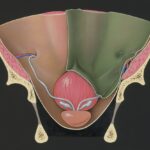 Prostate health is a vital aspect of men’s overall well-being, and it’s essential to focus on maintaining a healthy prostate as men age. The prostate, a small gland located below the bladder, plays a crucial role in producing semen. But beyond its primary function, prostate health can significantly impact other aspects of a man’s health, including urinary function and sexual activity. As we age, taking proactive steps toward preserving prostate health can make a big difference in overall quality of life. In this article, we’ll explore practical tips for enhancing prostate health, the role of diet and supplements, and how a few lifestyle changes can keep the prostate in optimal condition.