Protein Powder vs Real Protein Foods
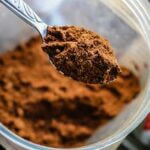 The debate on whether protein powder supplements can genuinely replace real protein foods remains a hot topic. As more people are embracing a health-conscious lifestyle, the quest for convenient and effective protein sources has intensified. This article delves into the intricacies of protein powder supplements and their potential to stand in for traditional protein-rich foods.
Unraveling the Protein Powder Mystery
Protein powder supplements have gained immense popularity, touted as a quick and easy way to meet your daily protein requirements. They come in various forms, including whey, soy, pea, and collagen protein powders. But the crucial question lingers: can these powdered forms genuinely replace the nutritional richness found in whole foods?
The Pros of Protein Powders
Convenience:
One cannot deny the sheer convenience of protein powder. A scoop mixed with water or milk, and voila, you have a protein-packed drink. This simplicity is especially appealing to those with busy lifestyles or tight schedules.
Isolated Nutrients:
Protein powders often boast highly concentrated forms of protein, eliminating excess fats and carbohydrates. For individuals aiming for a specific protein intake without the added baggage, protein powders can be a precise solution.
Speedy Absorption:
The liquid form of protein shakes allows for faster absorption, making it an attractive option for post-workout recovery. This rapid assimilation of nutrients can contribute to muscle repair and growth.
The Real Deal:
Whole Foods
While protein powders offer undeniable advantages, they cannot fully replicate the spectrum of nutrients found in whole foods. Real protein-rich foods bring a plethora of benefits beyond just protein content.
Micronutrients:
Whole foods like lean meats, fish, eggs, and legumes not only provide protein but also essential micronutrients such as vitamins and minerals. These nutrients play a pivotal role in overall health, supporting functions like immune response and bone strength.
Fiber Content:
Unlike protein powders, whole foods often come with the added bonus of dietary fiber. Fiber aids digestion, promotes gut health, and helps in maintaining a healthy weight.
Satiety and Enjoyment:
Eating a well-balanced meal offers a sense of satiety that goes beyond the physical act of consuming protein. The sensory experience of enjoying a variety of flavors and textures contributes to overall satisfaction.
Striking a Balance
While protein powders can be a convenient supplement, they should not be viewed as an outright replacement for real protein foods. Striking a balance between the two is key to reaping the maximum benefits of a protein-rich diet.
Practical Tips for Integration
Diversify Your Sources:
Incorporate a mix of protein-rich foods and supplements to ensure a well-rounded nutrient intake.
Timing Matters:
Reserve protein powder for situations where convenience is paramount, such as post-exercise recovery or on hectic days.
Read Labels:
Not all protein powders are created equal. Pay attention to ingredients and choose high-quality, minimally processed options.
The Verdict
In the eternal battle of protein powder vs. real protein foods, there’s no one-size-fits-all answer. The choice ultimately depends on individual goals, preferences, and lifestyle. While protein powders offer a quick fix, whole foods provide a holistic approach to nutrition.
So, if you’re contemplating whether protein powder supplements can entirely replace real protein foods, the answer is a nuanced one. Embrace the versatility of both, ensuring that your dietary choices align with your health and fitness objectives.
 In the realm of natural remedies, alfalfa stands tall as a green giant, offering a plethora of health benefits. Derived from the Arabic term “al-fac-facah,” which means “father of all foods,” this nutrient-rich herb has been a staple in various traditional medicine systems for centuries. But what is alfalfa, and what functions does it perform in the human body? In this article, we’ll delve into the fascinating world of alfalfa and explore the many ways it contributes to our well-being.