Do Good People Sometimes Need Anger Management In Their Relationship
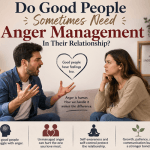 Understanding Anger Management Inside Loving Relationships
Anger is one of the most misunderstood emotions in romantic relationships. People often assume that if someone struggles with anger management, they must automatically be toxic, abusive, selfish, or emotionally dangerous. Real life is rarely that simple. Many genuinely kind, caring, and loyal people sometimes lose control of their emotions inside relationships because emotional intimacy has a way of exposing hidden stress, unresolved pain, and personal insecurities. A person can deeply love their partner and still react poorly during moments of frustration, disappointment, or emotional overwhelm.
Modern psychological research continues to show that emotion regulation plays a major role in relationship satisfaction and stability. A study found that couples who perceived themselves as successful at regulating emotions experienced significantly stronger relationship quality. That finding matters because it shifts the conversation away from labeling people as “good” or “bad” and focuses instead on emotional skills that can be improved over time.
Relationships can sometimes feel like emotional pressure cookers. Bills pile up. Parenting becomes exhausting. Work stress follows people home. Sleep deprivation lowers patience. Misunderstandings grow bigger than they should. Suddenly, a calm person snaps during a conversation about dishes, money, or text messages. Does that make them evil? Not necessarily. It may simply mean they lack healthy emotional coping tools.
The real issue is not whether anger exists. Anger is a natural human emotion. The problem begins when anger consistently turns into yelling, emotional withdrawal, intimidation, sarcasm, passive aggression, or hurtful communication patterns. That is when anger management in relationships becomes necessary. Not because someone is “bad,” but because unmanaged anger slowly erodes emotional safety like rust eating through metal.
Why Anger Is Not Always A Sign Of A Bad Person
Many people confuse anger with cruelty. They are not the same thing. Anger is an emotional signal that something feels threatened, unfair, painful, or emotionally overwhelming. Sometimes anger appears because someone feels unheard. Other times it comes from fear, insecurity, embarrassment, exhaustion, or unresolved emotional wounds. In many situations, anger is actually a secondary emotion covering something much deeper underneath.
Think about it like a smoke alarm. The alarm itself is loud and unpleasant, but it exists because something underneath triggered it. A relationship argument often works the same way. One partner explodes over a forgotten phone call, but the real emotional issue may be feeling unimportant, rejected, or emotionally disconnected. Without emotional awareness, people react to the surface-level anger rather than the deeper emotional pain underneath it.
This is why some of the kindest people can still develop unhealthy anger patterns. A loving husband may bottle up stress for months until he suddenly erupts during a minor disagreement. A caring wife may become passive-aggressive because she struggles to communicate disappointment directly. A loyal partner may become defensive or emotionally reactive because they grew up in a household where conflict was never handled calmly.
Research increasingly supports the idea that emotional regulation skills strongly affect relationship quality. Recent studies on couples therapy and emotional regulation have shown that improving emotional control can directly improve relationship satisfaction. That means anger management problems are not necessarily permanent personality flaws. In many cases, they are learned emotional behaviors that can be unlearned and replaced with healthier communication habits.
The Difference Between Healthy Anger And Destructive Anger
Not all anger is unhealthy. Healthy anger can actually protect relationships when expressed respectfully and honestly. For example, calmly saying, “I felt hurt when you ignored me during that conversation,” is an emotionally mature expression of anger. It identifies the issue without attacking the other person’s character. Healthy anger creates understanding and encourages emotional honesty.
Destructive anger operates differently. Instead of addressing the problem, it attacks the person. It may involve shouting, insults, intimidation, manipulation, silent treatment, blame shifting, or emotional punishment. Destructive anger turns disagreements into emotional battlegrounds where winning becomes more important than understanding.
Here is a simple comparison table that highlights the difference:
| Healthy Anger | Destructive Anger |
|---|---|
| Expresses feelings calmly | Uses yelling or intimidation |
| Focuses on solving problems | Focuses on blaming |
| Respects boundaries | Violates emotional safety |
| Encourages communication | Shuts communication down |
| Builds understanding | Creates fear and resentment |
One of the biggest dangers of destructive anger is how slowly it damages trust. A relationship rarely collapses overnight. Instead, repeated emotional outbursts create emotional distance little by little. Over time, partners stop feeling emotionally safe enough to communicate openly. They begin walking on eggshells around each other. Conversations become guarded. Emotional intimacy shrinks. Eventually, resentment starts replacing connection.
That is why anger management for couples is not just about “stopping yelling.” It is really about rebuilding emotional safety, trust, communication, and mutual respect before emotional damage becomes permanent.
Why Even Good Partners Lose Control
Stress, Trauma, And Emotional Overload
Life places enormous pressure on modern relationships. Financial struggles, parenting responsibilities, job insecurity, social media distractions, and mental exhaustion all affect emotional regulation. People often assume emotional self-control should remain constant regardless of circumstances, but human psychology does not work that way. Stress dramatically lowers emotional resilience.
Imagine trying to carry ten heavy grocery bags at once. At some point, something slips. Emotional overload works similarly. When stress accumulates faster than emotional recovery, even emotionally decent people may become reactive, impatient, or explosive inside relationships. This does not excuse harmful behavior, but it helps explain why anger problems often appear during periods of intense life pressure.
Trauma also plays a powerful role. Someone who grew up in a chaotic household may unconsciously associate conflict with survival. They may react aggressively during arguments because their nervous system learned to treat emotional tension like danger. Another person may emotionally shut down during conflict because childhood experiences taught them that emotional expression was unsafe.
Recent research exploring emotional regulation and relationship quality has emphasized how emotional coping patterns shape romantic stability. Many people carry unresolved emotional survival strategies into adulthood without even realizing it. The problem is not always the relationship itself. Sometimes the relationship simply exposes emotional patterns that were hidden for years.
Childhood Patterns That Follow Adults Into Relationships
Children learn emotional behavior by observation long before they fully understand emotions intellectually. If a child grows up watching constant yelling, silent treatment, emotional intimidation, or passive-aggressive communication, those patterns often become normalized. The child unconsciously learns, “This is how adults handle conflict.”
Years later, those same behaviors may appear in romantic relationships. Someone may slam doors during arguments because they watched a parent do it. Another may completely avoid conflict because emotional confrontation once felt dangerous. Some people learned that vulnerability leads to rejection, so they replace sadness with anger because anger feels safer and more powerful.
This is one reason why anger management therapy can be transformational. Therapy helps people recognize emotional habits they once considered normal. It creates awareness around emotional triggers, automatic reactions, and unhealthy conflict cycles. Awareness is powerful because you cannot change a pattern you do not recognize.
Many couples discover that their arguments are less about the actual topic and more about emotional conditioning from the past. A disagreement about finances may secretly trigger childhood fears about instability. A conversation about communication may trigger fears of abandonment or criticism. Once couples begin understanding these emotional layers, arguments often become less hostile and more compassionate.
Emotional Suppression And Sudden Explosions
Some people do not appear angry at all—until they suddenly explode. These individuals often suppress emotions for long periods because they believe expressing frustration is weak, selfish, or dangerous. On the surface they appear calm, patient, and accommodating. Underneath, resentment slowly builds pressure like steam inside a sealed container.
Eventually, something small triggers a massive emotional reaction. The partner who forgot to buy milk becomes the target of months or years of unspoken frustration. The outburst seems irrational because the emotional buildup remained invisible until the breaking point arrived.
Suppression is not emotional control. Real emotional regulation involves acknowledging feelings early and expressing them constructively before they intensify. Couples who learn to communicate smaller frustrations consistently often avoid explosive emotional episodes later.
This emotional suppression pattern appears frequently in relationships where one partner fears conflict or wants to avoid disappointing others. Ironically, avoiding honest emotional conversations often creates bigger emotional explosions later.
Common Signs That Anger Management May Be Needed
Frequent Arguments Over Small Issues
Every couple argues occasionally. Conflict itself is not automatically unhealthy. The warning sign appears when minor disagreements repeatedly escalate into emotionally exhausting battles. If conversations about chores, schedules, texting habits, money, or parenting regularly turn hostile, anger management skills may be necessary.
Small arguments are rarely just about the surface issue. They often represent deeper unmet emotional needs. Repeated explosive arguments may indicate emotional overwhelm, poor communication habits, unresolved resentment, or low emotional regulation capacity.
Couples trapped in these cycles often feel emotionally drained after every disagreement. Instead of resolving problems, arguments create more emotional distance and tension. Over time, partners may stop addressing important issues altogether because every discussion feels emotionally dangerous.
Passive Aggression, Silence, And Emotional Withdrawal
Anger does not always appear as shouting. Sometimes it hides behind silence, sarcasm, emotional withdrawal, or passive-aggressive behavior. A partner may refuse to communicate for days after conflict. Another may use subtle insults disguised as jokes. Some people punish emotionally instead of communicating directly.
These behaviors are often overlooked because they seem less dramatic than explosive anger. Yet emotionally withdrawing from a partner can create deep emotional insecurity over time. Silence can feel like emotional abandonment. Passive aggression creates confusion and tension because the real issue remains hidden beneath indirect behavior.
Healthy emotional communication requires honesty, vulnerability, and emotional accountability. When anger repeatedly transforms into emotional punishment or withdrawal, the relationship gradually loses emotional closeness.
Intimidation, Shouting, Or Harsh Words
This is where anger becomes especially damaging. Frequent yelling, insults, intimidation, aggressive body language, or emotionally humiliating communication can deeply harm a relationship. Even if physical violence never occurs, emotional aggression can leave lasting emotional scars.
Words matter. Repeated harsh criticism slowly damages self-esteem, emotional trust, and psychological safety. Partners begin feeling anxious during conversations because they anticipate emotional attacks rather than understanding.
Research on anger and emotional regulation continues to demonstrate that maladaptive emotional coping strategies strongly contribute to relationship distress. When anger repeatedly overrides empathy and communication, emotional connection deteriorates rapidly.
When Anger Starts Damaging Trust
Trust is not built only through loyalty or honesty. Emotional safety also creates trust. A partner must feel safe expressing emotions without fear of humiliation, intimidation, or emotional retaliation.
Once emotional safety disappears, intimacy suffers. Conversations become guarded. Vulnerability decreases. Emotional walls rise higher. The relationship may still exist physically, but emotionally it starts feeling cold and disconnected.
This is often the stage where couples either seek help—or slowly drift apart.
How Anger Affects Romantic Relationships
Emotional Distance Between Partners
Unmanaged anger creates emotional distance faster than many couples realize. At first, the emotional damage may seem temporary. One partner yells, both calm down later, and life moves on. But repeated emotional volatility changes the atmosphere of the relationship over time. It creates tension beneath ordinary interactions. Partners begin filtering their words carefully to avoid triggering conflict. Emotional openness shrinks because vulnerability no longer feels safe.
This emotional distancing can become deeply lonely. Two people may still share the same home, bed, and routines while emotionally feeling miles apart. Conversations become transactional instead of intimate. Affection decreases. Emotional warmth fades. Eventually, resentment settles into the relationship like emotional fog that never fully lifts.
One of the hardest truths about unmanaged anger is that it often harms both people involved. The angry partner may later feel guilt, shame, or regret for their reactions. The receiving partner may feel emotionally exhausted, anxious, or emotionally disconnected. Both individuals suffer, even if neither originally intended harm.
Recent discussions around couples therapy and emotional regulation show that emotional regulation skills directly influence relationship satisfaction across therapy sessions and long-term relationship stability. That means emotional self-control is not merely a personal skill. It is a relationship survival skill.
The Impact On Children And Family Stability
Children are emotional observers long before adults realize it. Even when parents believe they are hiding conflict successfully, children often absorb emotional tension through tone of voice, body language, silence, and household atmosphere. Constant emotional hostility can shape a child’s understanding of relationships, communication, and emotional safety.
Children raised in high-conflict homes may become anxious, withdrawn, emotionally reactive, or conflict avoidant themselves. Some imitate aggressive communication styles later in life because those behaviors became normalized during childhood. Others become terrified of confrontation altogether.
This is one reason why anger management within relationships matters so deeply. It does not only affect the couple. It shapes the emotional climate of the entire household. Emotional safety inside a home influences how children develop trust, confidence, and future relationship patterns.
Family stability also suffers when anger dominates communication. Decision-making becomes harder. Emotional cooperation weakens. Parenting disagreements intensify. The relationship becomes focused on emotional survival instead of teamwork and partnership.
Mental Health Consequences For Couples
Chronic relationship conflict can significantly impact mental health. Constant tension keeps the nervous system in a heightened state of stress. Over time, this emotional strain can contribute to anxiety, depression, sleep issues, emotional burnout, and feelings of hopelessness within the relationship.
Some couples reach a point where emotional conflict becomes so normalized that they forget what peace feels like. They expect criticism, defensiveness, or arguments during ordinary conversations. Emotional relaxation disappears from the relationship entirely.
A recent survey highlighted that many couples avoid seeking therapy until relationships are already in crisis. Unfortunately, waiting too long often allows resentment and emotional damage to deepen unnecessarily.
Seeking help earlier can prevent years of emotional deterioration. Anger management is not only about reducing conflict. It is also about protecting mental health, emotional intimacy, and long-term relationship stability.
Can Anger Management Actually Save Relationships
Communication Skills That Change Everything
Healthy communication is one of the most powerful relationship repair tools available. Many couples mistakenly believe their core problem is incompatibility when the real issue is poor emotional communication. They may love each other deeply but lack the emotional skills necessary to navigate conflict safely.
Anger management often teaches communication techniques that completely change relationship dynamics. One of the most effective methods involves replacing blame-focused language with emotionally honest communication. Instead of saying, “You never care about me,” a partner learns to say, “I felt hurt and ignored in that moment.”
That small shift changes everything. Blame triggers defensiveness. Honest emotional expression invites understanding.
Couples also learn the importance of active listening. Many arguments escalate because people listen to defend themselves rather than to understand their partner’s emotional experience. True listening slows emotional escalation and creates emotional connection even during disagreement.
Online discussions about emotional regulation in relationships frequently emphasize the importance of stepping away temporarily when emotions become overwhelming instead of continuing destructive arguments. This strategy may sound simple, but it is incredibly effective. Emotional regulation improves dramatically when people pause before reacting impulsively.
Learning Emotional Regulation Techniques
Emotional regulation is essentially the ability to experience emotions without becoming controlled by them. This skill can absolutely be developed with practice and self-awareness.
Common emotional regulation techniques include:
- Deep breathing during emotional escalation
- Pausing before responding
- Recognizing emotional triggers
- Journaling emotional patterns
- Practicing mindfulness
- Reframing negative assumptions
- Learning healthy conflict resolution skills
The goal is not emotional suppression. Suppressing emotions usually backfires eventually. The goal is emotional awareness combined with intentional responses.
Think of emotional regulation like learning to drive a powerful car. The emotional engine itself is not the problem. The issue is whether someone knows how to steer responsibly under pressure. Anger management helps people regain control of emotional reactions before emotional damage occurs.
Research on anger and emotional regulation strategies continues to support the effectiveness of structured emotional coping interventions. People truly can learn healthier emotional responses with consistent effort and support.
The Role Of Couples Therapy And Counseling
Sometimes couples need outside guidance because emotional patterns become too deeply entrenched to solve alone. That is not failure. In many cases, it is wisdom.
A skilled therapist helps couples identify destructive communication cycles that may be invisible from inside the relationship. They teach emotional regulation skills, communication techniques, conflict de-escalation strategies, and emotional awareness practices.
Therapy also creates a controlled environment where both partners can express emotions safely without conversations spiraling into chaos. Many couples discover that their biggest issue is not lack of love but lack of emotional tools.
One of the biggest misconceptions about therapy is that it only exists for “broken” relationships. In reality, emotionally intelligent couples often seek help before emotional damage becomes irreversible. Therapy is not always about fixing disaster. Sometimes it is about strengthening emotional foundations before cracks become collapse.
Practical Anger Management Strategies For Couples
Taking Timeouts Before Arguments Escalate
One of the simplest but most effective anger management techniques is the intentional timeout. When emotions rise too high, logical thinking decreases dramatically. The brain essentially shifts into emotional survival mode. Continuing an argument during that state often guarantees hurtful words and emotional damage.
Healthy couples learn to recognize emotional escalation early. Instead of forcing immediate resolution, they temporarily pause the discussion and agree to revisit it once emotions settle.
The important part is returning to the conversation later. A timeout should not become emotional abandonment or avoidance. It should function as emotional stabilization.
Something as simple as saying, “I need twenty minutes to calm down so we can talk respectfully,” can completely change the outcome of an argument.
Using “I Feel” Statements Instead Of Blame
Language shapes emotional reactions. Blaming language usually creates defensiveness instantly. Statements like “You always ruin everything” or “You never listen” attack the other person’s character rather than addressing the issue constructively.
“I feel” statements shift communication toward emotional honesty instead of accusation. For example:
- “I feel ignored when we don’t spend time together.”
- “I felt hurt when my opinion was dismissed.”
- “I feel overwhelmed and need support.”
This communication style lowers defensiveness and increases empathy because it focuses on personal emotional experience rather than character attacks.
Daily Habits That Reduce Emotional Tension
Healthy relationships are not built only during major emotional conversations. They are shaped by daily emotional habits. Small moments of appreciation, affection, patience, and emotional attentiveness create emotional resilience that helps couples navigate stress more effectively.
Simple habits that reduce emotional tension include:
- Regular quality time without distractions
- Expressing appreciation daily
- Getting adequate sleep
- Managing stress proactively
- Exercising regularly
- Checking in emotionally with each other
- Avoiding unresolved resentment buildup
Relationships function much like emotional bank accounts. Positive emotional deposits strengthen emotional connection over time. Constant anger withdrawals eventually create emotional bankruptcy.
Why Seeking Help Is A Sign Of Strength
Breaking The Stigma Around Anger Management
Many people resist anger management because they associate it with failure, weakness, or severe aggression. That stigma prevents countless couples from seeking help early enough.
In reality, acknowledging emotional struggles requires courage. It takes emotional maturity to admit that certain reactions are damaging the relationship and need improvement. Pretending everything is fine while emotional damage grows silently is far more dangerous.
The strongest relationships are not necessarily the ones without conflict. They are the ones where both people are willing to grow, self-reflect, and improve emotional communication patterns together.
Building A Relationship Based On Emotional Safety
At its core, a healthy relationship depends on emotional safety. Both partners should feel respected, heard, emotionally secure, and psychologically safe during conflict as well as during calm moments.
Emotional safety allows vulnerability to flourish. It creates trust. It deepens intimacy. It strengthens teamwork. Without emotional safety, relationships slowly become emotionally defensive rather than emotionally connected.
Good people absolutely can struggle with anger management in relationships. Being loving does not automatically guarantee emotional regulation skills. Many emotionally decent people simply carry stress, emotional conditioning, unresolved pain, or unhealthy coping habits they never learned to manage properly.
The encouraging truth is that emotional patterns can change. Communication can improve. Emotional regulation skills can strengthen. Relationships damaged by unmanaged anger are not always doomed. With accountability, effort, emotional honesty, and sometimes professional guidance, many couples rebuild stronger emotional foundations than they ever had before.
Conclusion
Anger does not automatically make someone a bad partner or a bad person. In many relationships, anger is simply a sign that emotional stress, unresolved wounds, poor communication habits, or emotional overwhelm have reached unhealthy levels. Good people sometimes react badly because they never learned healthier emotional coping tools. That reality is far more common than many people realize.
What matters most is not whether anger exists, but how it is handled. Healthy couples learn to regulate emotions, communicate respectfully, repair emotional damage quickly, and create emotional safety even during difficult conversations. Relationships thrive when both people feel emotionally secure enough to express feelings honestly without fear of humiliation, intimidation, or emotional punishment.
Anger management is not about becoming emotionless. It is about learning emotional responsibility. It teaches people how to pause before reacting, communicate without attacking, and understand what emotions are really happening beneath the surface. Those skills can completely transform relationships that once felt emotionally exhausting.
Sometimes the strongest thing a person can say in a relationship is: “I need help learning how to handle my emotions better.” That sentence can become the beginning of healing instead of the beginning of the end.
FAQs
1. Can a loving person still have anger issues in a relationship?
Yes. Many loving and caring people struggle with emotional regulation because of stress, trauma, childhood conditioning, or poor communication habits. Anger issues do not automatically mean someone lacks love or good intentions.
2. What are the first signs that anger management may be necessary?
Frequent arguments, yelling, passive aggression, emotional withdrawal, intimidation, harsh criticism, and recurring emotional tension are common warning signs that healthier emotional coping strategies may be needed.
3. Does anger management actually help relationships?
In many cases, yes. Anger management can improve communication, emotional awareness, conflict resolution, emotional safety, and relationship satisfaction when both partners are willing to participate honestly.
4. Is couples therapy only for relationships in crisis?
No. Many emotionally healthy couples use therapy proactively to strengthen communication, improve emotional intimacy, and prevent destructive conflict patterns before they become severe.
5. Can childhood experiences affect anger in adult relationships?
Absolutely. Childhood exposure to conflict, emotional neglect, aggression, or unhealthy communication patterns often shapes how adults respond emotionally inside romantic relationships later in life.