Why a Portable Home Treadmill Is a Must Have for Your Health
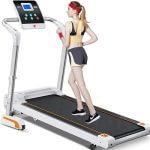 Staying healthy has become harder than ever. Most people spend hours sitting at desks, working from home, or scrolling through screens. Gym memberships are expensive, schedules are packed, and motivation disappears quickly when exercise feels inconvenient. That is exactly why the portable home treadmill has become one of the hottest fitness products.
Unlike bulky gym machines, portable treadmills are compact, lightweight, and easy to store. Many models slide under a bed or couch and can even fit beneath a standing desk. They are designed for real life. Whether you live in a small apartment or simply want a quick way to stay active, a portable treadmill makes exercise easier and more realistic.
One of the biggest reasons people love these treadmills is convenience. You can walk while watching TV, answering emails, listening to podcasts, or taking work calls. Instead of setting aside a full hour for the gym, you can fit movement naturally into your day. That small change can make a massive difference over time.
The Health Benefits of a Portable Home Treadmill
Daily movement is essential for both physical and mental health. Sitting for long periods has been linked to weight gain, heart disease, poor circulation, and low energy levels. Walking regularly helps fight these problems in one of the safest and most effective ways possible.
A portable home treadmill helps increase your daily steps without requiring intense workouts. Even walking for 20 to 30 minutes a day can improve cardiovascular health, boost energy, and support healthy weight loss. Some people also use under-desk treadmills while working remotely to stay active throughout the day.
Walking is also low impact, which makes it ideal for beginners, older adults, or anyone recovering from injuries. Unlike high-intensity workouts that can strain joints, walking is gentle while still delivering impressive health benefits.
Mental health improvements are another huge advantage. Walking reduces stress, improves mood, and helps clear the mind. Many users say they feel more focused and productive after using a walking pad during work hours. It is like giving your brain and body a reset button every day.
Why Portable Treadmills Are Better Than Traditional Gym Equipment
Traditional treadmills are powerful, but they are also large, heavy, and expensive. Many people simply do not have the space for them. Portable treadmills solve that problem by offering a more practical option for everyday users.
Here is a quick comparison:
Features
Portable Home Treadmill
- Space Required – Minimal
- Storage – Easy
- Portability – High
- Noise Level – Quieter
- Price – Affordable
Traditional Treadmill
- Space Required – Large
- Storage – Difficult
- Portability – Low
- Noise Level – Louder
- Price – Expensive
Portable treadmills are ideal for people who want consistency rather than extreme workouts. Most users are not training for marathons. They simply want to move more, lose weight, and stay healthy. A compact treadmill makes that possible without turning your home into a gym.
Features to Look for Before Buying
Not all portable treadmills are the same, so choosing the right one matters. Here are some important features to consider before purchasing:
Quiet Motor
A quiet treadmill is important, especially if you live in an apartment or plan to use it while working.
Foldable Design
Look for models that are slim and easy to store under furniture.
Shock Absorption
Good cushioning helps reduce pressure on knees and joints.
Smart Features
Some treadmills include Bluetooth, calorie tracking, remote controls, and fitness apps for a better experience.
Speed Options
If you plan to jog as well as walk, choose a treadmill with adjustable speed settings.
Is a Portable Home Treadmill Worth It?
Absolutely. A portable treadmill is one of the smartest health investments you can make. It removes excuses, saves time, and encourages daily movement. Instead of relying on motivation to go to the gym, you have a fitness solution ready whenever you need it.
The long-term benefits are huge. Regular walking can improve heart health, support weight loss, increase energy, reduce stress, and improve sleep quality. Best of all, it creates a sustainable fitness habit that fits naturally into your routine.
Think of it this way: a portable treadmill is not just exercise equipment. It is a daily reminder to move your body and take care of your health.
FAQs
1. Are portable treadmills good for weight loss?
Yes. They help increase daily calorie burn and encourage consistent movement.
2. Can I use a portable treadmill in a small apartment?
Yes. Most models are compact and designed for small spaces.
3. Are walking pads noisy?
Most modern walking pads are designed with quiet motors for home use.
4. How long should I walk daily?
Even 20–30 minutes daily can provide major health benefits.
5. Can I use a portable treadmill while working?
Yes. Many people use under-desk treadmills during remote work or meetings.
Conclusion
A portable home treadmill is perfect for anyone serious about improving their health. It combines convenience, affordability, and effectiveness into one compact machine. Whether your goal is weight loss, better heart health, increased energy, or simply staying active while working from home, a portable treadmill can help you stay consistent.
Fitness does not need to be complicated. Sometimes the simplest habits like walking every day create the biggest results. A portable home treadmill like this makes that healthy habit easier than ever.
 The biggest risk to your career isn’t picking the wrong path—it’s switching paths too often due to shiny objects